Om Jai Jagdish Hare Aarti: A Comprehensive Guide (Updated April 16, 2026)
Discover readily available Om Jai Jagdish Hare Aarti PDFs for devotional practice, enhancing your spiritual journey with convenient access to lyrics and rituals.
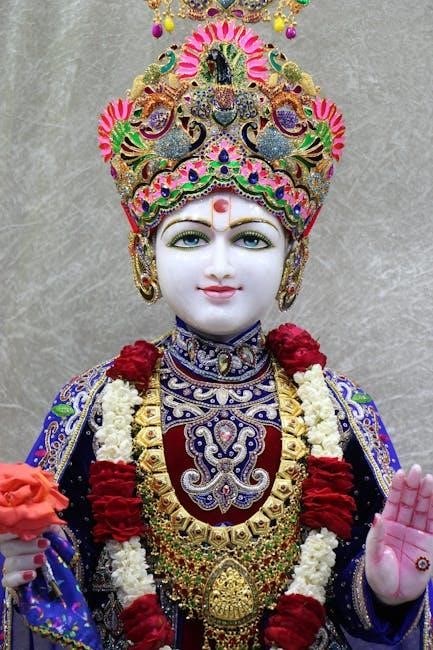
Om Jai Jagdish Hare is arguably one of the most recognizable and beloved aartis in Hinduism, deeply ingrained in the devotional practices of countless individuals. This powerful hymn serves as a vibrant expression of reverence and adoration towards the divine, specifically encompassing Lord Vishnu and Lord Shiva – two central figures in the Hindu pantheon. The aarti isn’t merely a song; it’s a sacred ritual, a heartfelt offering of light and sound intended to invoke blessings and foster a profound connection with the deity.
Many devotees seek convenient access to the lyrics and associated rituals, leading to a high demand for Om Jai Jagdish Hare Aarti PDF resources. These PDFs often contain the transliterated lyrics, English translations, and explanations of the aarti’s significance, making it accessible to a wider audience. Finding a reliable PDF ensures correct pronunciation and understanding of the profound meaning embedded within each verse, enriching the devotional experience.
The Significance of Aarti in Hindu Worship
Aarti holds a paramount position within Hindu worship, representing a complete offering to the deity – encompassing sight (the flame), sound (the chanting), and devotion (the heart). It’s a pivotal moment in puja, considered incomplete without this glorification of the divine’s power and might. The waving of the lit lamp symbolizes the dispelling of darkness and ignorance, inviting light and knowledge into the devotee’s life.
The accessibility of Om Jai Jagdish Hare Aarti in PDF format amplifies its reach and practice. These resources allow individuals to easily incorporate this sacred ritual into their daily routines, regardless of location or access to traditional temple settings. A well-structured PDF provides not only the lyrics but also context, fostering a deeper understanding of the aarti’s spiritual essence and its role in connecting with the divine. This convenience promotes consistent devotional practice.
Deities Associated with Om Jai Jagdish Hare

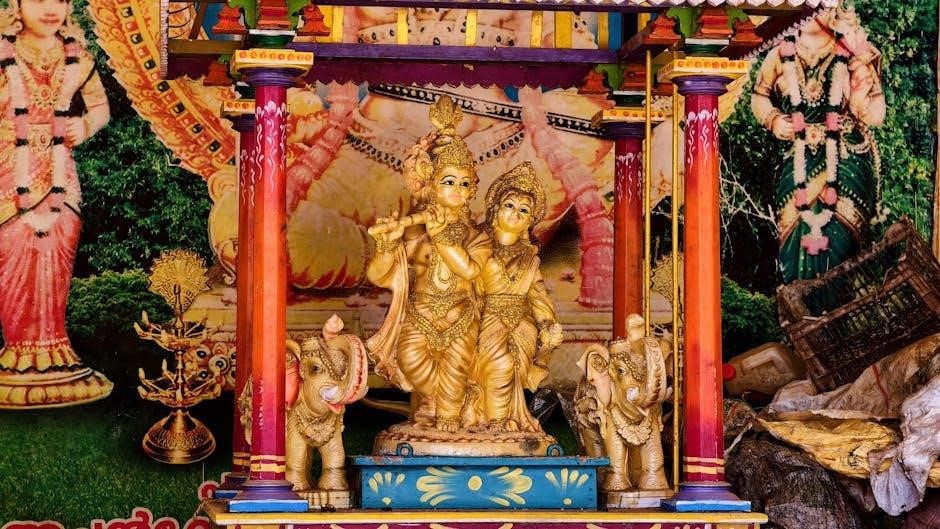
The Om Jai Jagdish Hare aarti uniquely venerates multiple deities, primarily Lord Vishnu and Lord Shiva, highlighting the interconnectedness within the Hindu pantheon. This inclusivity is a key aspect of its widespread appeal and devotional power. The aarti acknowledges Vishnu as the preserver and Shiva as the destroyer and recreator, representing the cosmic cycle of creation and dissolution.
Finding Om Jai Jagdish Hare Aarti resources in PDF format often includes explanations of these divine associations, enriching the worshiper’s understanding. These PDFs can detail how the lyrics specifically praise the qualities of each deity, fostering a more profound connection during the ritual. Access to these readily available resources allows devotees to deepen their reverence for both Vishnu and Shiva simultaneously, through consistent practice and study.
Lord Vishnu – The Preserver
Lord Vishnu, the preserver of the universe, is central to the Om Jai Jagdish Hare aarti’s devotional focus. The lyrics repeatedly invoke his name, acknowledging his role in maintaining cosmic order and protecting devotees from hardship. Many Om Jai Jagdish Hare Aarti PDF resources emphasize Vishnu’s attributes – his compassion, righteousness, and unwavering dedication to dharma.
These PDFs often provide detailed interpretations of how specific lines within the aarti relate to Vishnu’s various incarnations and divine qualities. Studying these resources enhances understanding of the aarti’s profound theological significance. Devotees utilizing these PDFs can deepen their connection with Vishnu, fostering a sense of peace and security through consistent chanting and contemplation of his benevolent nature.
Lord Shiva – The Destroyer & Recreator
Lord Shiva, the deity of transformation, finds a significant, though often nuanced, presence within the Om Jai Jagdish Hare aarti. While primarily dedicated to Vishnu, the aarti acknowledges Shiva’s essential role in the cosmic cycle of destruction and recreation. Many Om Jai Jagdish Hare Aarti PDF documents highlight the interconnectedness of these two powerful deities, particularly in relation to festivals like Vaikuntha Chaturdashi.
These PDFs often explain how Shiva’s destructive power clears the path for new beginnings, aligning with Vishnu’s preservative functions. Devotees using these resources gain a deeper appreciation for the complementary nature of these divine forces. Accessing these PDFs allows for a more holistic understanding of the aarti’s message, recognizing Shiva’s vital contribution to universal balance and spiritual evolution.
Origins and Historical Context of the Aarti
The precise origins of the Om Jai Jagdish Hare aarti remain somewhat shrouded in mystery, though its widespread popularity suggests a relatively recent emergence within the broader tradition of Hindu devotional music. Numerous Om Jai Jagdish Hare Aarti PDF resources attempt to trace its lineage, often connecting it to the Bhakti movement’s emphasis on personal devotion.
These PDFs frequently detail how the aarti gained prominence through oral tradition, spreading across regions and communities before being formally documented. The availability of these PDFs now allows researchers and devotees alike to explore various interpretations of its historical development. Understanding its context enriches the devotional experience, providing insight into the cultural and spiritual forces that shaped this beloved hymn.
Lyrics of Om Jai Jagdish Hare (Transliteration & English Translation)
Many Om Jai Jagdish Hare Aarti PDF documents provide both the original Hindi lyrics, transliterated into Roman script for easier pronunciation, and detailed English translations. These PDFs are invaluable for those unfamiliar with Hindi, enabling a deeper understanding of the aarti’s profound message. The core lyrics – “Om Jai Jagdish Hare, Swami Jai Jagdish Hare” – are repeated throughout, glorifying the divine Lord Vishnu;
These readily available PDFs often break down each line, explaining its symbolic meaning and devotional intent. Accessing these resources allows devotees to connect with the aarti on a more meaningful level, fostering a richer spiritual experience through accurate comprehension of the verses.
Detailed Breakdown of Each Line’s Meaning
Numerous Om Jai Jagdish Hare Aarti PDF resources meticulously dissect each line, revealing layers of spiritual significance. For instance, “Swaami Jai Jagdish Hare” isn’t merely a repetition of praise, but an invocation of the Lord’s sovereignty and grace. PDFs often explain how “Bhakt Jano Ke Sankat” – troubles of devotees – are alleviated through divine intervention.
These detailed breakdowns clarify the symbolism embedded within the verses, connecting the lyrics to broader Hindu philosophical concepts. They illuminate how the aarti serves as a prayer for protection, prosperity, and liberation. Accessing these PDFs empowers devotees to move beyond rote recitation, fostering a deeper, more informed devotional practice.
Musical Aspects of the Aarti
While Om Jai Jagdish Hare Aarti PDFs primarily focus on lyrics and meaning, understanding the musical context enhances appreciation. The aarti’s melody, popularized through various recordings, is often included as a link within these PDF resources, allowing devotees to learn the correct pronunciation and tune.
Many PDFs acknowledge Antara Mitra as a prominent singer, and Pritam Chakraborty as the influential music director behind a widely recognized rendition. They may also credit lyricists Sayeed Qadri, Mayur Puri & Shabbir Ahmed. These PDFs sometimes offer insights into the raga used, and the emotional intent conveyed through the music, enriching the devotional experience.
Singer: Antara Mitra and Other Notable Performers
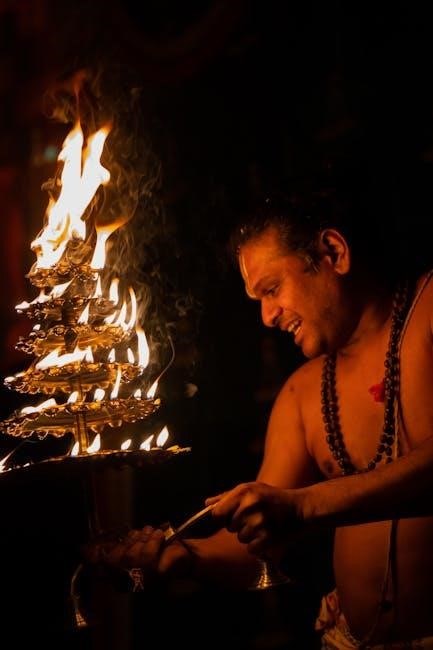
Om Jai Jagdish Hare Aarti PDFs frequently mention Antara Mitra’s rendition as a benchmark, often linking to audio or video performances. These resources acknowledge her soulful voice as central to the aarti’s modern popularity. Some PDFs may also list other notable singers who have performed this aarti, though detailed biographical information is less common.
PDFs dedicated to the aarti often prioritize lyrics and devotional context over exhaustive performer lists. However, they may include notes about the impact of specific vocalists on the aarti’s cultural resonance. Finding comprehensive discographies within these PDFs is rare; they primarily serve as guides to understanding and experiencing the devotional song.
Music Director: Pritam Chakraborty’s Influence
Om Jai Jagdish Hare Aarti PDFs rarely delve deeply into Pritam Chakraborty’s musical arrangement, but acknowledge his role in popularizing the aarti through a contemporary lens. These documents typically focus on the lyrics and devotional aspects, rather than detailed musical analysis. However, some PDFs might mention the impact of his composition on the aarti’s accessibility to a wider audience.
While not a primary focus, PDFs may indirectly reflect Chakraborty’s influence by including links to modern recordings or performances featuring his musical direction. Detailed scores or breakdowns of his arrangement are uncommon within these resources; they prioritize devotional use over musicological study. The PDFs serve as guides for chanting and understanding, not musical dissection;
Lyricists: Sayeed Qadri, Mayur Puri & Shabbir Ahmed
Om Jai Jagdish Hare Aarti PDFs prominently feature the lyrics crafted by Sayeed Qadri, Mayur Puri, and Shabbir Ahmed, often presenting them in Devanagari script alongside transliteration and English translation. These resources rarely dedicate space to biographical details of the lyricists themselves, prioritizing the devotional text. However, the PDFs consistently credit their authorship, acknowledging their contribution to the aarti’s enduring popularity.
Some PDFs might include notes on the lyrical meaning and devotional context, implicitly highlighting the skill of these writers in conveying spiritual themes. Detailed analyses of their poetic techniques are uncommon; the focus remains on facilitating worship. The PDFs serve as practical guides for chanting, ensuring accurate recitation of the verses penned by Qadri, Puri, and Ahmed.
The Role of the Aarti in Pujas and Rituals
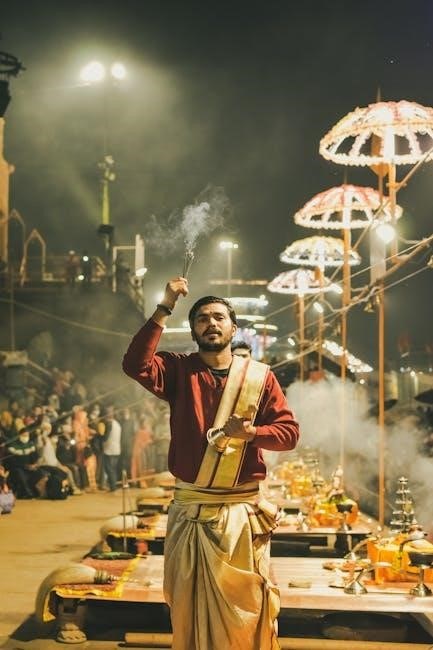
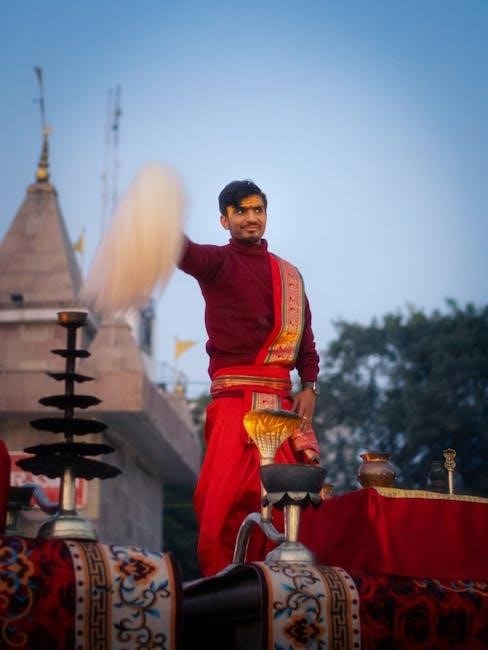
Om Jai Jagdish Hare Aarti PDFs frequently detail its integral role within pujas and Hindu rituals, emphasizing its placement towards the culmination of worship. These resources often illustrate how the aarti is performed – the circular waving of lamps, incense, and flowers – symbolizing the offering of light and devotion to the deity. PDFs may include instructions on proper posture and mental focus during the aarti.
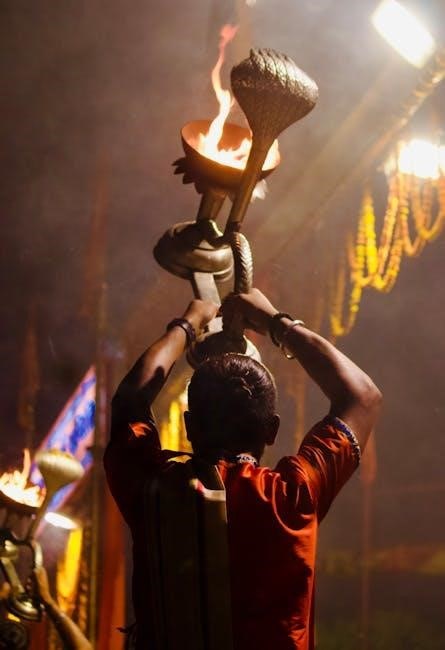
Many downloadable guides explain how the aarti serves to invoke divine blessings and purify the atmosphere. They highlight its significance in establishing a connection between the devotee and the divine. PDFs often suggest reciting the aarti with sincerity and devotion for maximum spiritual benefit, reinforcing its central position in devotional practice.
Variations in Performance and Regional Differences
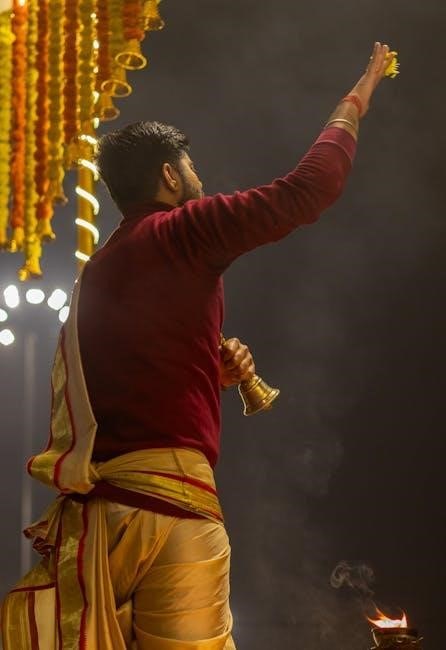
Om Jai Jagdish Hare Aarti PDFs sometimes showcase subtle variations in performance based on regional traditions and family customs. While the core lyrics remain consistent, the accompanying music, the number of lamp circles (aarti thaali rotations), and the specific instruments used can differ. Some PDFs detail North Indian styles featuring more elaborate musical arrangements, while others highlight simpler South Indian renditions.
Downloadable resources may also illustrate differences in the aarti’s integration into specific pujas. Certain communities might emphasize particular verses or incorporate unique devotional practices alongside the aarti. These PDFs often acknowledge that the spirit of devotion remains paramount, even amidst regional adaptations, fostering a deeper understanding of the aarti’s cultural richness.
Om Jai Jagdish Hare and Vaikuntha Chaturdashi
Om Jai Jagdish Hare Aarti PDFs frequently highlight its special significance during Vaikuntha Chaturdashi, a unique festival honoring both Lord Shiva and Lord Vishnu. This convergence of deities is reflected in the aarti’s lyrics, which praise both preservers and destroyers. Many downloadable PDF resources specifically outline the rituals performed on this day, including the timing and manner of chanting the aarti.
These PDFs often explain how the aarti serves as a unifying element, bridging the worship of Shiva and Vishnu. Devotees utilize these resources to understand the symbolism and deepen their connection to both deities during this auspicious occasion, enhancing their spiritual experience through focused devotion and ritualistic practice.

Benefits of Chanting the Aarti
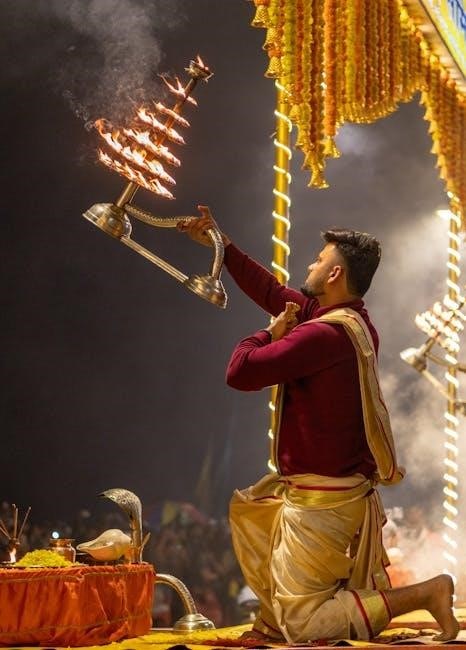
Om Jai Jagdish Hare Aarti PDFs often detail the numerous spiritual benefits derived from consistent chanting. Devotees believe regular recitation fosters inner peace, removes obstacles, and strengthens faith. Many downloadable resources emphasize the aarti’s power to alleviate suffering and grant blessings from both Lord Vishnu and Lord Shiva.
These PDFs frequently explain how the vibrations created during chanting purify the mind and body, promoting overall well-being. They suggest that focused devotion through the aarti can lead to increased concentration, emotional stability, and a deeper connection with the divine, ultimately fostering a more fulfilling and harmonious life.
Where to Find Om Jai Jagdish Hare Aarti PDF Resources
Numerous websites offer Om Jai Jagdish Hare Aarti PDFs for free download. Dedicated devotional sites and online stores specializing in Hindu religious texts are excellent starting points. Searching specifically for “Om Jai Jagdish Hare Aarti PDF” yields a wealth of results, including versions with transliteration, translations, and detailed explanations.
Many platforms provide PDFs formatted for easy printing, ideal for personal puja practice. Digital libraries and online archives also frequently host these resources. Be sure to verify the source’s credibility to ensure accuracy and authenticity of the lyrics and associated information before incorporating them into your devotional routine.
Online Resources for Lyrics and Audio
Beyond PDF downloads, a plethora of online resources provide the Om Jai Jagdish Hare Aarti lyrics and audio versions. Websites dedicated to Hindu devotional music frequently feature the aarti, often with accompanying translations to aid understanding. Platforms like YouTube host numerous recordings by artists such as Antara Mitra and others, allowing listeners to learn the correct pronunciation and melody.
Several sites offer interactive lyric displays synchronized with the audio, enhancing the learning experience. You can also find versions with Pritam Chakraborty’s musical arrangement. Remember to explore various sources to find a rendition that resonates with your personal devotional preferences, complementing your PDF resources.
The Aarti and Devotional Practice
The Om Jai Jagdish Hare Aarti transcends mere recitation; it’s a powerful tool for deepening devotional practice. Utilizing a PDF version of the lyrics facilitates focused engagement, allowing practitioners to internalize the meaning and rhythm. Chanting with sincerity and devotion is believed to invoke divine blessings and purify the heart.
Regular practice, guided by the lyrics, fosters a connection with Lord Vishnu and Lord Shiva, the deities central to the aarti’s essence. Whether performed during daily puja or special occasions like Vaikuntha Chaturdashi, the aarti serves as a conduit for spiritual growth, enhanced by resources like audio versions featuring artists like Antara Mitra.
The Om Jai Jagdish Hare Aarti continues to resonate deeply within Hindu tradition, its melodic verses offering solace and spiritual upliftment. The accessibility of PDF resources ensures its continued practice and preservation across generations, allowing devotees to easily access the lyrics and participate in this sacred ritual.
From the compositions of Sayeed Qadri, Mayur Puri & Shabbir Ahmed, to the musical direction of Pritam Chakraborty and vocal renditions by artists like Antara Mitra, the aarti’s enduring appeal lies in its universal message of devotion. Whether utilized during Vaikuntha Chaturdashi or daily pujas, it remains a potent symbol of faith and a pathway to divine connection.