System Overview
The Covidien Kendall SCD 700 Series delivers sequential compression therapy to prevent DVT, enhance venous return, and improve patient outcomes․ It features an intuitive controller, adjustable pressure settings, and a rechargeable Li‑Ion battery pack for portability․ Supports real‑time monitoring & aid․!
Clinical Purpose

The Covidien Kendall SCD 700 Series is engineered to deliver sequential compression therapy, a proven modality for reducing venous stasis and preventing deep vein thrombosis (DVT) in hospitalized and post‑operative patients․ By applying cyclic, graduated pressure to the lower extremities, the device mobilizes blood flow, promotes fibrinolysis, and limits clot formation․ Clinical studies demonstrate that patients who receive SCD therapy experience a significant reduction in symptomatic DVT and pulmonary embolism rates compared with standard care alone․ Additionally, the system enhances venous return, decreases edema, and improves skin perfusion, thereby accelerating wound healing and reducing the incidence of pressure ulcers․ The adjustable pressure settings allow clinicians to tailor therapy to individual patient needs, accounting for factors such as limb size, comorbidities, and tolerance․ The device’s real‑time monitoring and compliance tracking features provide objective data for quality assurance and facilitate adherence to evidence‑based protocols․ In critical care settings, the SCD 700 Series supports early mobilization and can be integrated into multidisciplinary VTE prophylaxis programs, contributing to improved patient safety and reduced healthcare costs․ Overall, the clinical purpose of the Covidien Kendall SCD 700 Series is to deliver safe, effective, and customizable sequential compression therapy that mitigates VTE risk, enhances circulation, and promotes recovery across diverse patient populations․ Its battery‑powered design allows bedside use and facilitates ambulation while the integrated compliance meter logs usage․ The system is FDA‑approved and conforms to IEC 60601‑1 safety standards, ensuring reliable operation in diverse clinical environments․ daily now!

Components
The system comprises a Smart Compression Controller with programmable settings, a set of elastic tubing that delivers graduated pressure, and a rechargeable Li‑Ion battery pack providing portable power․ Each component is designed for durability, ease of use, and compliance monitoring․ Safe․
Controller
The Smart Compression Controller is the brain of the Covidien Kendall SCD 700 Series, offering a user‑friendly interface that allows clinicians to program, monitor, and adjust therapy in real time․ It features a high‑contrast LCD display, intuitive touch buttons, and a built‑in alarm system that alerts staff to power, pressure, or sensor anomalies․ The controller supports multiple compression modes—continuous, intermittent, and custom cycles—each with adjustable peak pressure, cycle duration, and rest intervals․ Clinicians can save patient profiles, enabling rapid setup for repeat use and ensuring consistent therapy across shifts; The device automatically records session data, including total therapy time, average pressure, and compliance metrics, which can be exported via USB or integrated into electronic health records through a secure wireless connection․ Safety is paramount: the controller incorporates a fail‑safe pressure limiter that caps maximum pressure at 150 mmHg, preventing over‑compression․ Battery status is displayed in real time, and low‑power warnings trigger a gentle vibration cue․ The controller’s firmware is updatable over the air, allowing for the latest safety patches and feature enhancements without service downtime․ All components are sealed to a 2․5 mm water‑resistance rating, ensuring reliable operation in clinical environments with frequent cleaning․ The ergonomic design includes a detachable wrist strap for easy transport and a quick‑release latch for rapid disassembly during emergencies․ Overall, the controller delivers precise, adaptable compression therapy while maintaining rigorous safety and compliance standards․ Data is secure today!!
Tubing
The SCD 700 tubing set is engineered from medical‑grade silicone, offering flexibility, durability, and resistance to abrasion․ Each set includes a 1․5‑inch inner diameter cuff, 2‑inch outer diameter, and a 12‑inch length, allowing secure fit on calves, thighs, or upper arms․ The cuff features a non‑slip silicone lining that distributes pressure evenly, reducing skin irritation․ Connectors are 8‑mm male Luer locks, compatible with the controller’s standard port․ Tubing is color‑coded: blue for standard compression, green for low‑pressure therapy, and red for high‑pressure settings․ The silicone material is certified for biocompatibility (ISO 10993) and is free of latex, ensuring safe use in patients with allergies․ Prior to each use, inspect tubing for kinks, leaks, or discoloration; replace any compromised sections immediately․ Clean the cuff with mild soap and warm water, rinse thoroughly, and allow it to air‑dry․ Avoid harsh chemicals or abrasive sponges that could degrade the silicone․ After each session, perform a visual inspection and record any anomalies in the log․ Tubing is designed to accommodate a 1․5‑inch cuff size; using a larger cuff may result in inadequate compression and increased risk of skin breakdown․ The tubing set is compatible with the SCD 700 controller and battery pack, and it can be stored in a dedicated pouch to prevent contamination․ The manufacturer recommends replacing the tubing set every 12 months or sooner if damage is detected; Proper handling and maintenance of the tubing are essential for effective therapy and patient safety․ The tubing’s design supports optimal circulation while minimizing the risk of pressure ulcers, ensuring reliable performance in clinical settings․ Each tubing set is sterilized in a validated process, guaranteeing sterility until the first use․ The tubing’s flexible joints allow for easy positioning and reduce the likelihood of kinks during patient movement․ The system’s integrated pressure sensors monitor cuff integrity, alerting clinicians to any loss of seal or pressure drop․ The overall tubing assembly is lightweight, weighing less than 200 grams, facilitating portability and ease of transport between patient rooms․ The tubing’s color coding also aids rapid identification during multi‑patient setups, reducing the risk of misapplication․ The SCD 700 tubing is a critical component that directly influences therapy efficacy and patient safety, making meticulous inspection and maintenance essential for optimal outcomes․ Clinicians should log each tubing inspection in the patient’s electronic record to maintain traceability and support quality assurance audits for monitoring!!․
Battery Pack
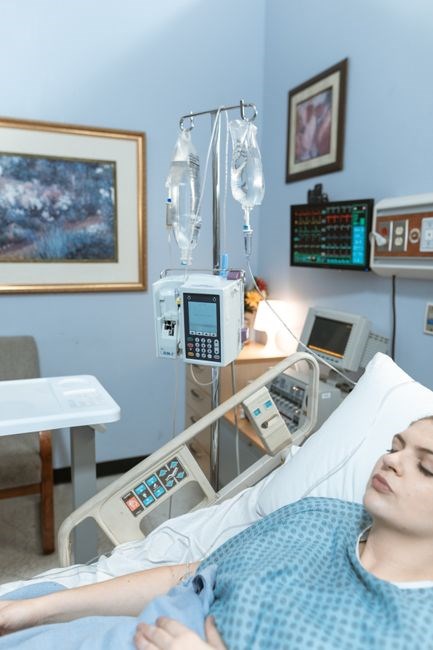
The Covidien Kendall SCD 700 Series battery pack is a rechargeable lithium‑ion module that powers the compression controller during therapy․ It contains four 3․7‑V cells arranged in series to provide a nominal 14․8‑V output․ An integrated battery management system monitors temperature, voltage, and charge state, preventing over‑discharge, over‑charge, and thermal runaway․ The pack is supplied with a USB‑C charger that delivers 5‑V input and 2‑A output․ Charging time is about 90 minutes from 20 % to full․ A status LED indicates progress: red during charging, green when complete․ The pack should be stored at 15–25 °C, kept in its protective case, and inspected monthly for swelling or leakage․ If any abnormality appears, replace immediately and report to maintenance․ The pack’s safety datasheet recommends a maximum discharge rate of 2 C (≈3 A)․ The controller limits current to 1․5 C, ensuring safe operation․ For maintenance, perform a full‑cycle test: fully charge, then run a therapy session to discharge to 20 %․ Record discharge time and voltage curve; if the time falls below 80 % of nominal, schedule replacement․ The pack’s warranty covers defects for 12 months from first use․ Proper handling, regular testing, and adherence to safety guidelines guarantee reliable power delivery and prolong battery life, ensuring uninterrupted therapy for patients․
The pack supports up to 8 hours of continuous therapy, and its BMS automatically reduces compression if voltage falls below 12 V, preserving battery life!

Setup
Connect the SCD 700 controller to the power supply, attach the tubing set to the patient’s limb, and secure the compression cuffs․ Verify battery status, set desired pressure, and program therapy duration using the controller interface․ Perform a quick test cycle before full use․ Safe․ OK!
Site Preparation and Device Connection
The first step in preparing the treatment area is to ensure that the patient’s skin is clean, dry, and free from lotions or oils that could interfere with cuff adhesion․ Use a mild antiseptic wipe and allow the skin to air‑dry for at least 30 seconds․ Next, inspect the limb for any existing wounds, edema, or contraindications such as arterial disease․ If the limb is suitable, position it in a neutral posture, typically with the foot slightly elevated to promote venous return․

Device connection begins with the controller․ Verify that the unit is powered on and the battery pack is fully charged; the LED indicator should display green․ Connect the power cable to the controller’s input port and plug the other end into a grounded outlet․ The controller’s display will prompt you to select the limb length setting; choose the appropriate length (e․g․, 25 cm, 30 cm, or 35 cm) based on the patient’s measurements․
Attach the tubing set by sliding the cuff onto the limb, ensuring that the cuff’s inner surface is smooth and not twisted․ Align the cuff’s marker with the limb’s mid‑point to guarantee even pressure distribution․ Secure the cuff with the provided elastic strap, tightening just enough to maintain contact without causing discomfort․ Repeat the process for each cuff in the series, connecting the tubing between cuffs in the correct order․
Once all cuffs are in place, press the “Start” button on the controller․ The system will perform a self‑check, cycling through each cuff to confirm proper inflation and deflation․ If any error codes appear, consult the troubleshooting section․ Upon successful completion, the device will begin the programmed compression cycle, delivering incremental pressure increases to promote circulation and prevent stasis․

Operation & Maintenance
The device operates via preset compression cycles, adjustable pressure, and real‑time monitoring․ Perform daily checks, clean cuffs with mild detergent, dry thoroughly, and inspect for wear․ Recharge battery pack fully before each session․ Store in a cool, dry place․ Check battery indicator and replace if low․ Now
Patient Positioning and Compression Settings

Proper patient positioning is critical for optimal therapy․ Begin by placing the patient supine on a flat, firm surface․ Ensure the lower extremities are free of obstructions and that the feet are slightly abducted to allow cuff placement․ For seated patients, use a reclined chair with lumbar support and secure the legs with a strap to prevent movement․ Avoid excessive flexion of the hips; the knees should remain at a 90° angle or slightly greater to maintain venous flow․ Position the cuffs so that the proximal end lies just above the ankle, and the distal end is at the calf or thigh, depending on the treatment protocol․ Confirm that the cuffs are snug but not tight, allowing a small amount of slack for patient comfort․ Compression settings should be individualized based on clinical assessment․ Start with a baseline pressure of 40 mmHg for patients with normal venous return․ Increase in 5‑mmHg increments for those with reduced calf muscle tone or post‑operative swelling, monitoring for pain or paresthesia․ The device’s controller allows selection of cycle duration (30‑90 seconds) and rest intervals (10‑30 seconds)․ For patients with peripheral arterial disease, limit peak pressure to 60 mmHg and use a “low‑pressure” mode․ Ensure the compression waveform is smooth; abrupt pressure changes can cause discomfort․ Verify that the “auto‑adjust” feature is active to compensate for limb circumference changes during therapy․ During the session, observe the patient for signs of skin breakdown, such as erythema or blistering․ Adjust settings as needed now․
Cleaning and Battery Care
Maintain hygiene and extend device life by following these steps:
- Disassemble the cuff, controller, and tubing before cleaning․
- Wipe all surfaces with a damp, non‑abrasive cloth and mild detergent․ Avoid harsh chemicals that can degrade the silicone cuff․
- Rinse the cuff and tubing with clean water, ensuring no detergent residue remains․
- Dry components with a lint‑free towel and allow to air‑dry for at least 30 minutes before reassembly․
- Inspect the cuff for tears, punctures, or stiffening․ Replace any damaged cuff immediately․
- Check the battery pack for corrosion or swelling․ Do not use if damaged․
- Charge the Li‑Ion battery pack using the supplied charger․ Connect the charger to the device’s charging port and plug into a grounded outlet․ The indicator light will turn green when fully charged․
- Store the battery pack in a cool, dry place when not in use․ Do not expose to temperatures below 0 °C or above 45 °C․
- Record charging cycles in the maintenance log to track battery health․
- Replace the battery pack after 500 charge cycles or if performance declines․
Regular cleaning and proper battery care reduce infection risk extend device longevity, supporting daily patient safety․
Monitoring and Compliance Tracking
The Kendall SCD 700 Series incorporates a built‑in compliance monitoring system that records each therapy session, pressure level, and duration․ The controller’s LCD displays real‑time data, and a dedicated compliance button logs the start and stop times․ Each session is assigned a unique identifier that can be exported via USB or Bluetooth to the hospital’s electronic health record (EHR)․ The device automatically flags missed or incomplete sessions, prompting the clinician to re‑initiate therapy․ Compliance reports include total hours of use, average pressure, and any alarms triggered․ These metrics aid in evaluating patient adherence, adjusting treatment plans, and meeting institutional quality metrics․ The system also supports remote monitoring; a secure cloud portal allows clinicians to review compliance logs from any location, ensuring timely intervention․ Data encryption protects patient privacy during transmission․ For audit purposes, the device retains a tamper‑evident log that records all user interactions, including controller adjustments and battery changes․ Maintenance personnel can verify that the device is functioning correctly by reviewing the compliance history․ This comprehensive tracking system ensures that patients receive the prescribed therapy, thereby reducing the risk of venous thromboembolism and improving clinical outcomes․ Clinicians can set compliance thresholds, such as a minimum of 90% of prescribed therapy, and receive alerts when thresholds are not met․ The system also generates weekly compliance summaries that can be printed or emailed to the care team․ In addition, the device logs ambient temperature and humidity during each session, providing context for pressure variations․ All data is timestamped with the device’s internal clock, synchronized with the hospital network at startup․ The compliance module is designed to be user‑friendly, requiring no additional software installation on the clinician’s workstation․ Training modules are available in the user manual to help staff interpret compliance reports and integrate them into patient care plans․ By leveraging these features, healthcare facilities can demonstrate adherence to evidence‑based protocols and support continuous quality improvement initiatives․
Troubleshooting
When the Kendall SCD 700 Series does not operate as expected, follow these systematic steps to identify and resolve the issue․ The controller displays a single‑digit error code on the LCD; reference the code table in the manual for specific meanings․ Common problems include:
- Battery low or disconnected: Green icon fades to amber․ Reconnect pack, clean contacts, charge to 100 % before use․
- Pressure sensor fault: The red “P‑ERR” message indicates a sensor malfunction․ Verify that the tubing is correctly seated on the cuff, remove any debris, and reset the controller by holding the power button for 5 s․
- Tubing kink or blockage: The device will halt and display “K‑BLOCK․” Inspect the tubing for kinks, replace if necessary, and re‑attach to the cuff․
- Controller firmware mismatch: A “FW‑ERR” appears if the firmware is outdated․ Connect the controller to a PC via USB and run the firmware update utility supplied with the manual․
- Compliance log full: The system stops recording new sessions․ Clear the log by selecting “Clear Log” from the menu, then restart the device․
If none of the above steps resolve the issue, power off the device, wait 30 s, and power on again․ Persistent errors should be reported to the certified service technician․ Always keep a record of the error code, date, and actions taken for audit purposes․ For safety, do not attempt to disassemble the unit; contact Covidien support for guidance․ now!!!