
Standing Leg Exercises: A Comprehensive Guide
Discover downloadable standing leg exercise PDFs, offering structured routines for all fitness levels! These resources provide detailed instructions and visual aids for effective workouts․
Standing leg workouts represent a fantastic, accessible approach to building lower body strength and endurance, requiring minimal equipment․ Numerous standing leg exercise PDFs are readily available online, catering to diverse fitness goals and experience levels․ These downloadable guides often present structured routines, ranging from beginner-friendly introductions to advanced challenges․
The beauty of these workouts lies in their convenience; they can be performed virtually anywhere, making them ideal for home fitness or travel․ Many PDFs include detailed exercise descriptions, accompanied by illustrative images or videos, ensuring proper form and technique․ Exploring these resources unlocks a pathway to toned legs, improved balance, and enhanced overall fitness, all from a stable, upright position․
Benefits of Standing Leg Exercises
Standing leg exercises, often detailed in accessible PDFs, offer a wealth of benefits beyond simply toning muscles․ They enhance functional strength, improving everyday movements like walking, climbing stairs, and maintaining balance – crucial for all ages․ Many downloadable guides emphasize core engagement during these exercises, contributing to improved posture and stability․
Furthermore, these workouts are generally low-impact, making them suitable for individuals with joint pain or those recovering from injuries․ PDF resources often provide modifications for varying fitness levels․ Utilizing these guides promotes consistent exercise, leading to increased metabolism, improved cardiovascular health, and a stronger, more resilient lower body․
Warm-up Exercises for Standing Leg Workouts
PDF guides dedicated to standing leg exercises consistently highlight the importance of a thorough warm-up․ This prepares muscles, increases blood flow, and minimizes injury risk․ Common warm-up components, often visually demonstrated in these resources, include leg swings – both forward/backward and side-to-side – to improve range of motion․
Additionally, marching in place and gentle knee circles are frequently recommended․ Many PDFs incorporate dynamic stretches like walking lunges (without weight initially) and torso twists․ A proper warm-up, as outlined in these guides, should last 5-10 minutes, gradually increasing intensity before progressing to more challenging exercises․
Dynamic Stretching for Leg Activation
Standing leg exercise PDFs emphasize dynamic stretching as crucial for preparing muscles for activity․ Unlike static stretches, these movements actively warm up the muscles․ Resources often detail leg swings – forward, backward, and lateral – to increase hip mobility and hamstring flexibility․
Walking lunges, frequently illustrated in these guides, dynamically stretch the quads, hamstrings, and glutes․ High knees and butt kicks are also common recommendations, enhancing blood flow and muscle activation․ PDFs typically advise performing 10-15 repetitions of each dynamic stretch, focusing on controlled movements rather than holding a stretch for an extended period․
Light Cardio to Prepare Muscles

Standing leg exercise PDFs consistently recommend incorporating light cardio before the main workout․ This elevates heart rate and increases blood flow to the leg muscles, enhancing performance and reducing injury risk․ Common suggestions include marching in place, a simple yet effective warm-up detailed in many downloadable guides․
High knees and butt kicks, often visually demonstrated within these PDFs, are also popular choices; These movements dynamically prepare the muscles for more intense exercises․ A 5-10 minute cardio session is generally advised, focusing on maintaining a moderate intensity․ These resources emphasize listening to your body and adjusting the intensity as needed․
Core Standing Leg Exercises
Standing leg exercise PDFs universally feature squats as a foundational movement․ These guides detail proper form – maintaining a straight back, engaging the core, and pushing hips back – to maximize effectiveness and prevent injury․ Variations like bodyweight squats, sumo squats, and pulse squats are often included, catering to different fitness levels․
Lunges, another core exercise highlighted in these PDFs, are presented with detailed instructions on forward, reverse, and lateral lunges․ Many resources emphasize the importance of keeping the front knee aligned with the ankle․ These documents often include progressions, starting with assisted lunges and advancing to weighted variations․
Squats: The Foundation of Leg Strength
Standing leg exercise PDFs consistently emphasize squats as the cornerstone of lower body strength․ These resources break down squat technique, illustrating proper posture – a straight back, chest up, and core engaged – to ensure safety and maximize muscle activation․ Many PDFs offer modifications for beginners, such as box squats or wall sits, to build foundational strength․
Progressions are also detailed, including variations like sumo squats (targeting inner thighs) and jump squats (adding a plyometric element)․ PDFs often include visual cues and common mistake corrections, helping users refine their form․ Weighted squat variations, using dumbbells or resistance bands, are frequently presented for advanced users;
Advanced Standing Leg Exercises
Standing leg exercise PDFs dedicated to advanced routines often feature challenging exercises like single leg deadlifts and pistol squats․ These PDFs meticulously detail proper form to prevent injury, emphasizing core stability and controlled movements․ They frequently include progressions, starting with assisted versions and gradually increasing difficulty․
Lunges, with variations like reverse lunges, walking lunges, and curtsy lunges, are extensively covered, often with guidance on adding weight or resistance bands․ Many PDFs incorporate plyometric exercises, such as jump lunges, to enhance power and explosiveness․ Detailed explanations of muscle engagement and breathing techniques are common features․
Single Leg Deadlifts: Balance and Hamstring Focus

Standing leg exercise PDFs often dedicate significant attention to single leg deadlifts, highlighting their benefits for hamstring strength, balance, and core stability․ These PDFs provide step-by-step instructions, often with accompanying images or videos, demonstrating proper form – a crucial aspect for preventing lower back strain․
Progressions are frequently included, starting with bodyweight versions and progressing to holding dumbbells or kettlebells․ PDFs emphasize maintaining a flat back and engaging the core throughout the movement․ Modifications for beginners, such as using a chair for support, are also commonly detailed․ Expect cues on controlled descent and ascent for maximum hamstring activation․
Lunges: Variations and Proper Form
Standing leg exercise PDFs extensively cover lunges, showcasing their versatility and effectiveness․ These resources detail proper form – maintaining a 90-degree angle in both knees, keeping the front knee over the ankle, and engaging the core․ Variations like forward, reverse, and walking lunges are frequently illustrated with clear diagrams․
PDFs often include progressions, starting with bodyweight lunges and adding dumbbells or resistance bands for increased challenge․ Common mistakes, such as knee valgus (knees caving inward), are addressed with corrective cues․ Expect detailed explanations on how to modify lunges for different fitness levels and to target specific muscle groups․

Standing Exercises for Inner Thighs
Standing leg exercise PDFs dedicate sections to inner thigh work, emphasizing adductor muscle engagement․ Lateral lunges are a staple, with PDFs providing step-by-step instructions and visual cues for correct form – maintaining a straight back and pushing hips back․ Many resources include variations like curtsy lunges, further targeting the inner thighs․
PDFs often incorporate exercises utilizing resistance bands, looped around the ankles or thighs, to amplify the challenge․ Standing adduction exercises, where you move one leg inward against resistance, are commonly featured․ These guides highlight the importance of controlled movements and proper posture for maximizing effectiveness and preventing injury․
Lateral Lunges: Targeting Adductors
Standing leg exercise PDFs consistently feature lateral lunges as a primary inner thigh exercise․ These PDFs detail proper form: feet hip-width apart, stepping sideways, bending one knee while keeping the other leg straight․ Visual diagrams illustrate maintaining a flat back and pushing hips back, crucial for adductor activation․
Many PDFs offer progressions, like adding dumbbells for increased resistance or incorporating resistance bands around the ankles․ They emphasize controlled movements, avoiding knee collapse inward․ Detailed cues within the PDFs focus on feeling the stretch in the inner thigh and engaging the glutes for stability, ensuring effective and safe execution;
Standing Exercises for Glutes
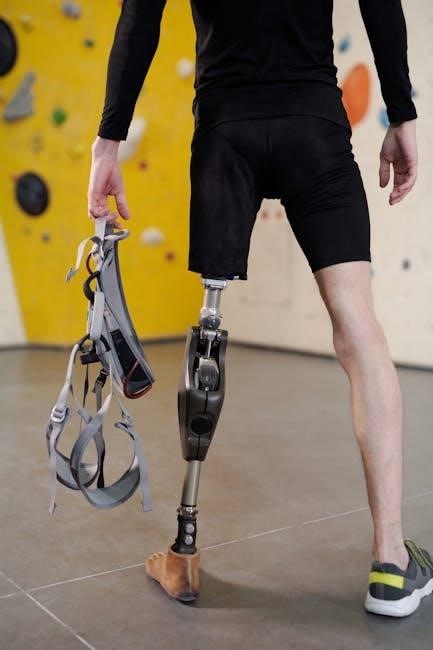
Standing leg exercise PDFs frequently showcase glute-focused movements, prioritizing accessibility and effectiveness․ These PDFs often include standing kickbacks, emphasizing controlled leg extensions while maintaining core engagement․ Detailed illustrations demonstrate proper posture – a slight bend in the supporting knee and a flat back – to isolate the glute muscles․
Many PDFs also feature variations like banded kickbacks for added resistance, or single-leg variations to challenge balance and stability․ They provide clear cues on squeezing the glutes at the top of the movement and avoiding arching the lower back․ These resources ensure users can safely and effectively target their glutes with minimal equipment․
Standing Kickbacks: Isolating Glute Muscles
Standing leg exercise PDFs dedicate significant attention to standing kickbacks, detailing their execution for optimal glute isolation․ These PDFs emphasize maintaining a neutral spine and engaging the core throughout the movement, preventing lower back strain․ Visual guides illustrate the proper form: a slight bend in the supporting knee, controlled leg extension, and a squeezed glute at peak contraction․
Many PDFs offer progressive variations, incorporating ankle weights or resistance bands to increase intensity․ They also highlight common errors, like arching the back or swinging the leg, and provide corrective cues․ Detailed instructions ensure users maximize glute activation while minimizing risk of injury, making it a staple in many routines․
Standing Leg Exercises for Seniors
Standing leg exercise PDFs designed for seniors prioritize safety and accessibility․ These resources often feature modifications for age-related considerations, such as reduced range of motion or balance concerns․ PDFs emphasize chair support for stability during exercises like leg extensions and hip abductions․ They clearly illustrate proper form, minimizing strain on joints․
Many PDFs include warm-up and cool-down routines specifically tailored for older adults, focusing on gentle movements and stretching․ They also provide guidance on listening to the body and avoiding overexertion․ Downloadable charts track progress, encouraging consistent participation and improved mobility, promoting an active lifestyle․

Modifications for Age-Related Considerations
Standing leg exercise PDFs catering to seniors detail crucial modifications․ Reduced range of motion is addressed by shortening steps in lunges or squats․ Balance issues are mitigated with chair support during exercises like single-leg stands or calf raises․ PDFs suggest wider stances for increased stability and slower, controlled movements to prevent falls․
Joint pain is accommodated through lower-impact variations, such as mini-squats instead of full squats․ Many PDFs recommend performing exercises near a wall for added support․ They emphasize listening to the body and stopping if pain occurs, promoting safe and effective workouts tailored to individual needs and limitations․

Standing Leg Exercises for Back Pain
Standing leg exercise PDFs designed for those with back pain prioritize low-impact movements․ They often feature exercises avoiding deep bending or twisting, like gentle leg swings and partial squats․ PDFs emphasize maintaining a neutral spine throughout each exercise, preventing further strain․ Core engagement is highlighted to support the lower back during movements․
Many resources suggest using a chair for support during balance exercises, reducing the risk of falls and subsequent back injury․ PDFs also recommend starting with a smaller range of motion and gradually increasing it as tolerated․ They stress the importance of proper form and listening to your body, stopping if pain intensifies․
Low-Impact Options and Precautions
Standing leg exercise PDFs for low-impact routines often showcase exercises like mini-band walks and gentle calf raises․ These PDFs emphasize controlled movements, avoiding jarring impacts that could aggravate back pain․ Precautions frequently include maintaining proper posture – a slight bend in the knees and engaged core – throughout each exercise․
PDFs often advise against deep lunges or squats initially, suggesting modifications like shallower movements or using a chair for support․ They highlight the importance of warming up before exercise and cooling down afterward․ Listen to your body; stop immediately if you experience increased pain․ PDFs may also suggest consulting a healthcare professional before starting any new exercise program․

Standing Marches: A Beginner-Friendly Exercise
Standing Marches, detailed in many standing leg exercise PDFs, are an excellent starting point for beginners․ These PDFs illustrate the exercise: standing upright and alternately lifting each knee towards your chest, mimicking a marching motion․ They emphasize engaging core muscles for stability and maintaining a controlled pace․
PDFs often suggest starting with 10-15 repetitions per leg, gradually increasing the duration and intensity․ This exercise strengthens hip and knee flexors, improving balance and coordination․ Many PDFs include modifications, such as holding onto a chair for support, making it accessible for all fitness levels․ It’s a fantastic warm-up or low-impact activity․
5-Minute Standing Leg Workout Routine
Standing leg exercise PDFs frequently feature quick, effective routines like a 5-minute workout․ These PDFs typically include exercises such as squats (1 minute), alternating lunges (1 minute), calf raises (1 minute), and lateral lunges (1 minute), followed by 1 minute of marching in place․
Many PDFs emphasize proper form over speed, providing visual cues and modifications․ They often suggest repeating the circuit twice for increased intensity․ These routines are ideal for busy schedules, requiring no equipment and minimal space․ Downloadable PDFs often offer variations to target different muscle groups, ensuring a well-rounded lower body workout․
Equipment Considerations for Standing Leg Exercises
Standing leg exercise PDFs often detail how to enhance workouts with minimal equipment․ Many PDFs recommend resistance bands for added challenge during squats, lunges, and kickbacks, increasing muscle activation․ Dumbbells are frequently suggested for goblet squats or weighted lunges, boosting intensity and promoting strength gains․
These PDFs provide guidance on selecting appropriate resistance levels and dumbbell weights․ Some PDFs also incorporate ankle weights for increased difficulty․ They emphasize controlled movements and proper form when using equipment, prioritizing safety and effectiveness․ Downloadable resources often include diagrams illustrating correct technique with each piece of equipment․
Using Resistance Bands
Standing leg exercise PDFs frequently showcase resistance band integration for versatile training․ PDFs demonstrate band placement above the knees during squats and lateral walks, enhancing glute and outer thigh engagement․ Loop bands around ankles for targeted hip abduction exercises, strengthening stabilizing muscles․
Many PDFs offer progressions, suggesting thicker bands for increased resistance as strength improves․ They emphasize maintaining tension throughout the exercise, maximizing muscle activation․ Detailed instructions within the PDFs cover proper band selection and secure attachment․ Visual guides illustrate correct form, preventing injury and optimizing results․ These resources unlock a cost-effective way to elevate your standing leg workouts․
Incorporating Dumbbells
Standing leg exercise PDFs often include dumbbell variations to increase workout intensity․ PDFs illustrate holding dumbbells during squats and lunges, challenging leg and core muscles further․ They detail proper weight selection, advising beginners to start light and gradually increase the load․ Many PDFs demonstrate Romanian deadlifts with dumbbells, targeting hamstrings and glutes effectively․
These resources emphasize maintaining a stable core and proper form while using dumbbells, preventing injury․ Visual guides within the PDFs showcase correct hand positioning and movement patterns․ They offer progressions, suggesting heavier weights or increased repetitions as strength improves․ Dumbbells provide a convenient way to add resistance and enhance your standing leg training․
Safety Tips for Standing Leg Exercises
Standing leg exercise PDFs consistently prioritize safety, emphasizing the importance of a stable surface and adequate space․ They advise starting with a chair or wall for balance, particularly for beginners or during challenging exercises․ PDFs highlight the need for controlled movements, avoiding jerky motions that could lead to strain․ Proper warm-up and cool-down routines are detailed within these resources, preparing muscles and aiding recovery․
Many PDFs include cautions about pre-existing conditions, recommending consultation with a healthcare professional before starting․ They stress listening to your body and stopping if you experience pain․ Maintaining correct posture throughout each exercise is a recurring theme in these guides, preventing injury and maximizing effectiveness․
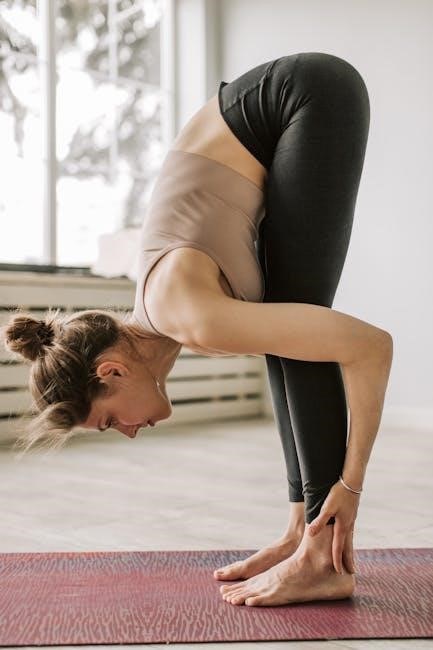
Maintaining Proper Posture
Standing leg exercise PDFs universally emphasize maintaining a neutral spine – avoiding excessive arching or rounding of the back․ They detail keeping core muscles engaged throughout each movement, providing stability and protecting the lower back․ PDFs often include visual cues, illustrating correct alignment for exercises like squats and lunges․ Shoulders should be relaxed and down, not shrugged towards the ears․
These resources highlight the importance of keeping your weight balanced over your feet, avoiding leaning too far forward or backward․ Many PDFs advise using a mirror to check form or recording yourself to identify postural issues․ Proper posture isn’t just about safety; it enhances exercise effectiveness․
Importance of Balance and Support
Standing leg exercise PDFs consistently address balance as a crucial element, particularly for beginners or those with stability concerns․ Many PDFs recommend starting near a wall or sturdy chair for light support, gradually reducing reliance as balance improves․ They often include progressions, modifying exercises to increase the challenge to balance․
These resources emphasize engaging core muscles to enhance stability during single-leg movements like lunges or single-leg deadlifts․ PDFs frequently warn against rushing through exercises, prioritizing controlled movements over speed․ Paying attention to your center of gravity is key, as highlighted in many downloadable guides․
Cool-down and Stretching
Standing leg exercise PDFs universally emphasize the importance of a cool-down period post-workout․ These guides typically include static stretches held for 20-30 seconds, targeting major leg muscle groups like hamstrings, quads, and calves․ Many PDFs demonstrate stretches performed while maintaining an upright posture, enhancing flexibility without added strain․
You’ll find detailed illustrations showing proper form for stretches like hamstring reaches, quad stretches (holding your foot towards your glutes), and calf stretches against a wall․ PDFs often advise gentle, controlled movements during stretching, avoiding bouncing․ Prioritizing cool-down aids muscle recovery and reduces soreness․
Static Stretching for Muscle Recovery
Standing leg exercise PDFs consistently highlight static stretching as crucial for post-workout recovery․ These PDFs detail stretches held for 20-30 seconds, promoting muscle lengthening and reducing tension․ Common stretches include hamstring stretches (reaching for toes), calf stretches (leaning against a wall), and quadriceps stretches (heel-to-glute holds)․
Many PDFs emphasize maintaining proper posture during static stretches – a straight back and engaged core․ They often illustrate variations for different flexibility levels․ The guides explain how static stretching improves blood flow, aiding muscle repair and minimizing soreness․ Following the PDF instructions diligently maximizes recovery benefits․
Resources for Standing Leg Exercise PDFs
Numerous online platforms offer free standing leg exercise PDFs, catering to diverse fitness goals․ Websites like Bodybuilding․com and FitnessBliss provide downloadable routines, often categorized by difficulty and focus (e․g․, glutes, hamstrings)․ Pinterest serves as a visual hub, linking to various PDF guides and workout plans․

YouTube channels specializing in fitness frequently offer PDF companions to their standing leg workout videos․ Searching “standing leg workout PDF” yields a wealth of options․ Remember to evaluate the source’s credibility and ensure the exercises align with your fitness level before starting any new program․
Standing leg exercises offer a convenient and effective path to lower body strength and fitness․ Utilizing readily available standing leg exercise PDFs can significantly enhance your workout experience, providing structure and guidance․ Remember to prioritize proper form and listen to your body, modifying exercises as needed․
Whether you’re a beginner or an experienced fitness enthusiast, incorporating these exercises into your routine can yield noticeable results․ PDF resources empower you to create personalized workouts, track progress, and achieve your fitness aspirations․ Embrace the simplicity and accessibility of standing leg workouts!