Going on a Bear Hunt: A Comprehensive Exploration
Discovering a “Going on a Bear Hunt” book PDF offers convenient access to this beloved tale, fostering shared reading experiences and imaginative adventures for all ages․
“Going on a Bear Hunt,” a celebrated children’s picture book, first published in 1989, has captivated generations with its rhythmic prose and thrilling adventure․ The story, penned by Michael Rosen and beautifully illustrated by Helen Oxenbury, details a family’s intrepid journey through various terrains – tall grass, a deep river, a muddy forest, and a dark cave – all in pursuit of a bear․
The enduring appeal of this narrative lies in its immersive quality; readers are actively encouraged to participate through repeated refrains and evocative sound effects․ While the original hardback and paperback editions remain popular, the accessibility of a “Going on a Bear Hunt” book PDF has broadened its reach, allowing families and educators to enjoy this classic tale with ease․
Digital formats provide a convenient alternative, particularly for travel or classroom use, ensuring the story’s magic continues to inspire young imaginations worldwide․
II․ The Authors and Illustrators
The collaborative genius behind “Going on a Bear Hunt” stems from the unique talents of Michael Rosen and Helen Oxenbury․ Rosen, a prolific children’s author and former Children’s Laureate, is renowned for his playful use of language and ability to connect with young audiences․ Oxenbury, a distinguished illustrator, masterfully brings stories to life with her detailed and expressive artwork․
Their combined vision created a book that transcends generations․ While appreciating the creators’ artistry is vital, accessing a “Going on a Bear Hunt” book PDF doesn’t diminish this appreciation; rather, it offers a new avenue to experience their work․ Digital versions often maintain the integrity of Oxenbury’s illustrations, allowing readers to fully immerse themselves in the visual narrative․
Understanding the authors’ backgrounds enriches the reading experience, regardless of the format – print or PDF – fostering a deeper connection to this beloved story․
II․A․ Michael Rosen ‒ The Storyteller
Michael Rosen’s background profoundly influences his storytelling․ A former teacher, he keenly understands how children engage with language and narrative․ His work frequently incorporates rhythm, repetition, and playful sounds – elements central to “Going on a Bear Hunt’s” enduring appeal․ Rosen’s own childhood experiences, including battling a serious illness, instilled in him a deep appreciation for the power of stories to comfort, entertain, and empower․
Interestingly, the story itself originated as a tale Rosen told his children during family walks․ The spontaneous nature of its creation contributes to its lively, conversational tone․ Accessing a “Going on a Bear Hunt” book PDF allows for recreating this oral storytelling tradition, reading aloud with the same energy and enthusiasm Rosen initially brought to the tale․
Rosen’s legacy extends beyond this single book, but “Going on a Bear Hunt” remains a cornerstone of his impressive body of work․
II․B․ Helen Oxenbury ౼ Bringing the Hunt to Life
Helen Oxenbury’s illustrations are integral to the success of “Going on a Bear Hunt․” Her distinctive style, characterized by detailed linework and a warm, inviting palette, vividly depicts the family’s adventurous journey․ The illustrations aren’t merely decorative; they actively contribute to the narrative, showcasing the changing landscape and the family’s escalating excitement (and eventual fear!)․
The visual representation of the obstacles – the tall grass, the deep river, the muddy forest – is particularly impactful․ A “Going on a Bear Hunt” book PDF allows close examination of these details, appreciating Oxenbury’s skill in conveying texture and depth․ Her depiction of the bear itself is masterful, balancing a sense of threat with a touch of playful ambiguity․
Oxenbury’s work consistently demonstrates a sensitivity to children’s perspectives, making her a perfect partner for Rosen’s storytelling․
III․ Plot Summary: The Adventure Unfolds
“Going on a Bear Hunt” narrates a family’s exhilarating quest to find a bear․ The story begins with the family deciding to embark on their adventure, venturing out into the wild and encountering various natural obstacles․ They swish through tall grass, splash through a river, squelch through mud, and stumble through a forest, each challenge described with vibrant onomatopoeia․
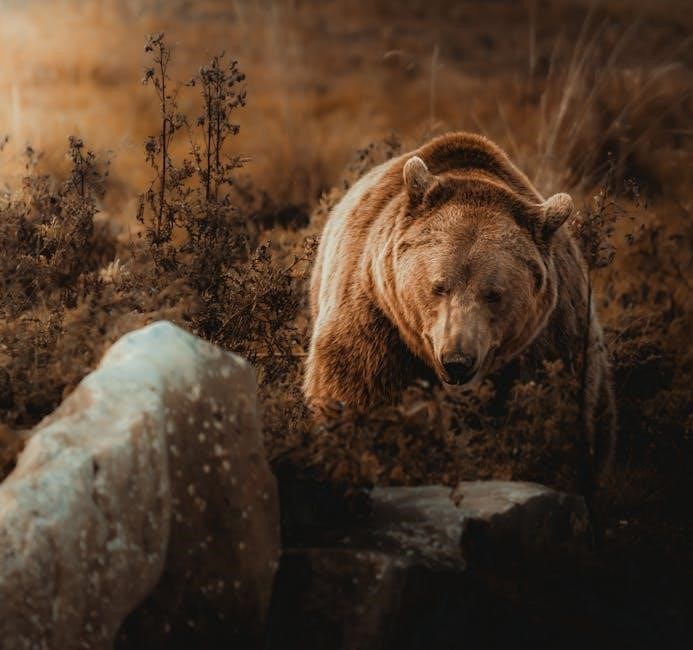
As they progress, the anticipation builds, fueled by rhythmic repetition and escalating sensory details․ Finally, they reach a dark cave, believed to be the bear’s home․ Upon entering, they are confronted by a large bear, prompting a frantic retreat back through all the obstacles they previously overcame․
The story concludes with the family safely back home, nestled in their beds, realizing the bear was simply looking for its own bed too․ A “Going on a Bear Hunt” book PDF preserves this thrilling narrative for repeated enjoyment․
IV․ Key Characters & Their Roles
The core of “Going on a Bear Hunt” lies in its depiction of a family unit – a father, mother, and their children – who collectively drive the narrative․ Each member participates equally in the hunt, demonstrating collaboration and shared bravery․ Their roles aren’t individually defined; they function as a unified team facing the unknown․
The bear itself, though appearing briefly, is a pivotal character․ It represents the thrill of the adventure and the potential for fear․ However, the story subtly portrays the bear not as a menacing creature, but as another being simply seeking comfort, mirroring the family’s own desire for home․
Accessing a “Going on a Bear Hunt” book PDF allows readers to repeatedly analyze these character dynamics and the story’s nuanced portrayal of both courage and empathy within a family context․
IV․A․ The Family Unit – A Collaborative Journey

The family in “Going on a Bear Hunt” isn’t presented with distinct leaders or followers; instead, they embody a beautiful example of collaborative exploration․ Each member contributes to overcoming obstacles – splashing through streams, squelching through mud, and pushing through tall grass – as a unified front․
This collective effort highlights the strength found in family togetherness and the importance of shared experiences․ The repetitive phrases and actions emphasize their synchronized movement, reinforcing the idea of a team working towards a common goal․
A “Going on a Bear Hunt” book PDF facilitates revisiting this dynamic, allowing discussions about teamwork, communication, and the roles each family member plays in navigating challenges, both within the story and in real life․
IV․B․ The Bear – A Symbol of the Unknown
The bear itself remains largely unseen throughout the narrative, existing primarily as a looming presence and a catalyst for the family’s adventure․ This ambiguity transforms the bear into a powerful symbol of the unknown, representing the fears and uncertainties children (and adults!) often encounter․
The family’s initial eagerness to find the bear quickly turns to panic as they approach its cave, demonstrating a natural human response to the unfamiliar․ Their frantic retreat highlights the importance of recognizing and respecting boundaries․
Accessing a “Going on a Bear Hunt” book PDF allows for focused discussions on this symbolism, prompting conversations about facing fears, understanding the power of imagination, and acknowledging that not all mysteries need solving․
V․ Literary Devices & Techniques
“Going on a Bear Hunt” masterfully employs several literary devices to captivate its young audience․ The story’s rhythmic structure and pervasive repetition create a compelling cadence, making it incredibly engaging and memorable for children․ This rhythmic quality is wonderfully preserved in a “Going on a Bear Hunt” book PDF․
Furthermore, the extensive use of onomatopoeia – “swishy swashy,” “splosh splosh,” “trudge trudging” – vividly brings the journey to life, appealing to a child’s sensory experience․ These sound effects aren’t just auditory; they encourage active participation and imaginative play․
A digital PDF version allows for easy highlighting of these techniques, facilitating literary analysis and a deeper appreciation for Rosen and Oxenbury’s craft․ It’s a fantastic tool for educators and parents alike․
V․A․ Repetition & Rhythm – Engaging Young Readers
The core of “Going on a Bear Hunt’s” success lies in its masterful use of repetition and rhythm․ The recurring phrase, “We’re going on a bear hunt,” acts as a narrative anchor, building anticipation with each iteration․ This predictable pattern is incredibly comforting and engaging for young children, fostering a sense of participation and encouraging them to join in․
A “Going on a Bear Hunt” book PDF conveniently allows readers to easily track the repeated phrases and rhythmic structures․ This is particularly useful for educators utilizing the story for phonological awareness exercises․
The consistent rhythm, mimicking a walking pace, further enhances the immersive experience, drawing children into the family’s adventurous journey․ It’s a technique that makes the story incredibly memorable and fun to recite, even from a digital PDF format․
V․B․ Onomatopoeia – Sound and Sensory Experience
“Going on a Bear Hunt” brilliantly employs onomatopoeia, bringing the story’s soundscape to life․ Words like “swishy swashy,” “splosh splosh,” and “whoosh” aren’t just descriptive; they are the sounds of the adventure, vividly recreating the sensory experience for the reader․ This technique actively engages children’s imaginations, allowing them to feel as though they are truly part of the hunt․
Accessing a “Going on a Bear Hunt” book PDF doesn’t diminish this effect․ In fact, it allows for focused attention on these sound words, potentially prompting discussions about different sounds and their origins․
The use of onomatopoeia makes the story incredibly interactive, encouraging children to mimic the sounds themselves, further solidifying their understanding and enjoyment․ It’s a powerful tool for language development and sensory exploration․
V․C․ Imagery – Painting Pictures with Words

Michael Rosen’s writing in “Going on a Bear Hunt” is remarkably visual, creating strong imagery even before Helen Oxenbury’s illustrations come into play․ Phrases like “long wavy grass,” “thick oozy mud,” and “dark, gloomy forest” paint vivid pictures in the reader’s mind, transporting them directly into the heart of the adventure․ This descriptive language isn’t just about setting the scene; it’s about evoking feelings and anticipation․
A “Going on a Bear Hunt” book PDF allows readers to pause and truly absorb these descriptions, perhaps even sketching their own interpretations of the landscapes․
The combination of Rosen’s words and Oxenbury’s illustrations creates a powerful synergy, but the text alone is capable of sparking a child’s imagination and fostering a love for descriptive language․
VI․ Themes Explored in the Story
“Going on a Bear Hunt”, readily available as a “Going on a Bear Hunt” book PDF, delves into several compelling themes․ Primarily, it explores the concept of courage and facing fears, as the family bravely ventures into the unknown despite potential dangers․ The story also beautifully illustrates the importance of family and togetherness, showcasing how collaboration and support help overcome obstacles․
Furthermore, the narrative champions exploration and adventure, encouraging a sense of curiosity and a willingness to embrace new experiences․ The family’s journey isn’t just about finding a bear; it’s about the joy of discovery and the bonds strengthened along the way․
These themes resonate deeply with young readers, offering valuable life lessons wrapped in an exciting and engaging story․
VI․A․ Courage & Facing Fears
The readily accessible “Going on a Bear Hunt” book PDF vividly portrays courage and facing fears through the family’s determined expedition․ Despite encountering increasingly challenging obstacles – tall grass, a deep river, a muddy swamp, a dark forest, and a narrow cave – they persevere, driven by their shared goal․
Each obstacle represents a potential fear, and the family confronts them head-on, demonstrating bravery and resilience․ Their rhythmic chanting and collaborative spirit bolster their confidence, transforming apprehension into excitement․ The story subtly teaches children that acknowledging and confronting fears, rather than avoiding them, is a pathway to empowerment;
Ultimately, even the encounter with the bear, though initially frightening, is navigated with a surprising degree of calm, highlighting the power of courage in the face of the unknown․
VI․B․ Family & Togetherness
The “Going on a Bear Hunt” book PDF beautifully illustrates the strength and importance of family and togetherness․ The story centers around a family unit – mother, father, and children – embarking on an adventure as a cohesive team․ Their journey isn’t undertaken by individuals, but as a collective, supporting and encouraging one another through every challenge․
The repetitive nature of the text, with everyone chanting and moving in unison, emphasizes their shared experience and collaborative spirit․ They navigate obstacles together, relying on each other’s strengths and offering comfort when needed․ This reinforces the idea that facing difficulties is easier and more enjoyable when surrounded by loved ones․
Even their hurried retreat from the bear highlights their protective instincts and unwavering commitment to one another’s safety․
VI․C․ Exploration & Adventure
A “Going on a Bear Hunt” book PDF ignites a sense of exploration and adventure within young readers․ The story isn’t simply about finding a bear; it’s about the thrill of venturing into the unknown, embracing new experiences, and overcoming obstacles along the way․ The family actively seeks out adventure, willingly traversing diverse terrains – grass, rivers, mud, forests, and caves – demonstrating courage and curiosity․
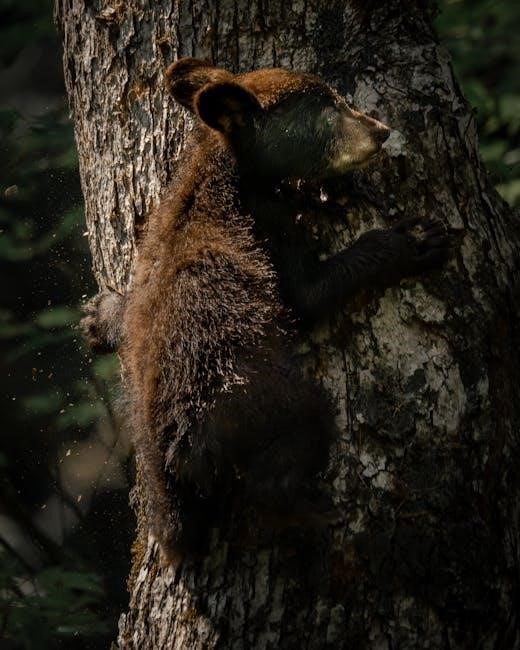
Each environment presents unique challenges, requiring adaptability and resilience․ The children’s enthusiasm and willingness to push boundaries encourage readers to embrace their own adventurous spirits․ The narrative fosters a love for discovery and highlights the excitement inherent in exploring the world around us․
Ultimately, the hunt itself, regardless of its outcome, embodies the spirit of adventure and the joy of shared exploration․
VII․ “Going on a Bear Hunt” as an Educational Tool
A “Going on a Bear Hunt” book PDF provides a versatile tool for educators and parents alike․ The repetitive nature of the text aids in early literacy development, reinforcing phonological awareness and encouraging participation․ It’s excellent for practicing sequencing skills, as children can retell the story in order․
The rich descriptive language offers opportunities to expand vocabulary and explore adjectives related to texture, sound, and environment․ Teachers can use the story to inspire creative writing exercises, asking children to describe their own adventures or invent new obstacles for the family to overcome;
Furthermore, the narrative lends itself to discussions about problem-solving, bravery, and the importance of family collaboration, making it a valuable resource for social-emotional learning․
VII․A․ Language Development & Vocabulary Building
Utilizing a “Going on a Bear Hunt” book PDF significantly boosts language skills․ The story’s core strength lies in its repetitive phrases, ideal for emergent readers to practice and internalize common sentence structures․ Children readily join in, building confidence and fluency․
The text introduces a wealth of descriptive vocabulary – “swishy grass,” “splishy splashy,” “thick oozy mud” – stimulating sensory language and expanding a child’s lexicon․ Educators can leverage this by prompting children to generate their own descriptive phrases for different environments․
Moreover, the PDF format allows for easy annotation and highlighting of key words, facilitating focused vocabulary instruction and encouraging children to explore synonyms and related terms․
VII․B․ Sensory Exploration & Descriptive Language
A “Going on a Bear Hunt” book PDF powerfully engages the senses through vivid descriptions․ The story doesn’t just tell us about the environments; it allows us to experience them – the swishing grass, the cold river, the dark forest․ This immersive quality is crucial for developing descriptive language skills․
Teachers and parents can use the PDF to pause and ask children to imagine what each environment feels, smells, and sounds like, fostering a deeper connection to the text․ Encouraging children to mimic the sounds (“splish splash!”) enhances this sensory experience․
The digital format allows for supplementing the reading with related sensory activities – creating a mud pit, rustling leaves, or playing sound effects – further solidifying understanding and vocabulary․
VIII․ Adaptations & Extensions of the Story
Accessing a “Going on a Bear Hunt” book PDF unlocks opportunities for creative adaptations․ Beyond simply reading, the story lends itself beautifully to role-playing, where children physically act out the journey and sounds․
Digital PDFs facilitate easy printing of story maps for sequencing activities, or individual scenes for coloring and art projects․ Educators can create interactive quizzes based on the narrative, testing comprehension in a fun way․
Furthermore, the story inspires musical adaptations – composing songs based on the rhythm and onomatopoeia․ The PDF can be used as a script for puppet shows or stop-motion animations, encouraging storytelling and technical skills․ The possibilities are truly boundless, extending the story’s life beyond the page․
VIII․A․ Stage Productions & Performances
While a “Going on a Bear Hunt” book PDF provides the core narrative, it frequently serves as a springboard for captivating stage productions․ Many schools and theatre groups adapt the story, emphasizing its physical and auditory elements․
Performances often recreate the immersive journey, utilizing inventive staging to represent the tall grass, the deep river, and the dark forest․ Actors embody the family members, mimicking their determined trek and escalating excitement․
Sound effects are crucial, mirroring the book’s onomatopoeia – swishy grass, splashy river, and the bear’s growl․ The PDF’s text can be used as a script, but productions often expand upon it with additional dialogue and comedic timing․ These performances bring the story to life in a dynamic and memorable way, extending its reach beyond individual reading․
VIII․B․ “Going on a Bear Hunt” Activities & Crafts
Beyond simply accessing a “Going on a Bear Hunt” book PDF, the story inspires a wealth of engaging activities and crafts for children․ These extensions reinforce comprehension and encourage creative expression․
Common activities include creating sensory bins representing the different terrains – a water table for the river, long grass made from fabric strips, and a dark “cave” constructed from blankets․ Children can also act out the story, mimicking the family’s movements and sounds․
Crafts range from making bear masks and footprint art to constructing miniature landscapes depicting the hunt․ The PDF’s illustrations serve as visual inspiration․ These hands-on experiences solidify understanding and foster a deeper connection with the narrative, transforming passive reading into active learning and playful exploration․
IX․ Finding a “Going on a Bear Hunt Book PDF” ౼ Resources & Considerations
Locating a “Going on a Bear Hunt” book PDF requires careful consideration․ While numerous websites offer downloadable PDFs, verifying their legitimacy is crucial to avoid copyright infringement and malware risks․
Reputable sources include official publisher websites (Walker Books) and established online libraries offering legally obtained digital copies․ Be wary of unfamiliar sites promising free downloads, as these often harbor viruses or illegal content․
Alternatively, consider purchasing the ebook version from authorized retailers like Amazon Kindle or Google Play Books․ This ensures a high-quality, safe reading experience and supports the author and illustrator․ Always prioritize legal and ethical access to digital content, respecting intellectual property rights while enjoying this classic tale․